Sooryavanshi, 15, becomes the first male cricketer with two T20I fifties before turning 16
India's teenage opener reached another half-century in the series decider at Harare Sports Club on Sunday, surpassing Nepal's Kushal Malla on the all-time list of 50-plus scores in men's international cricket before the age of 16.
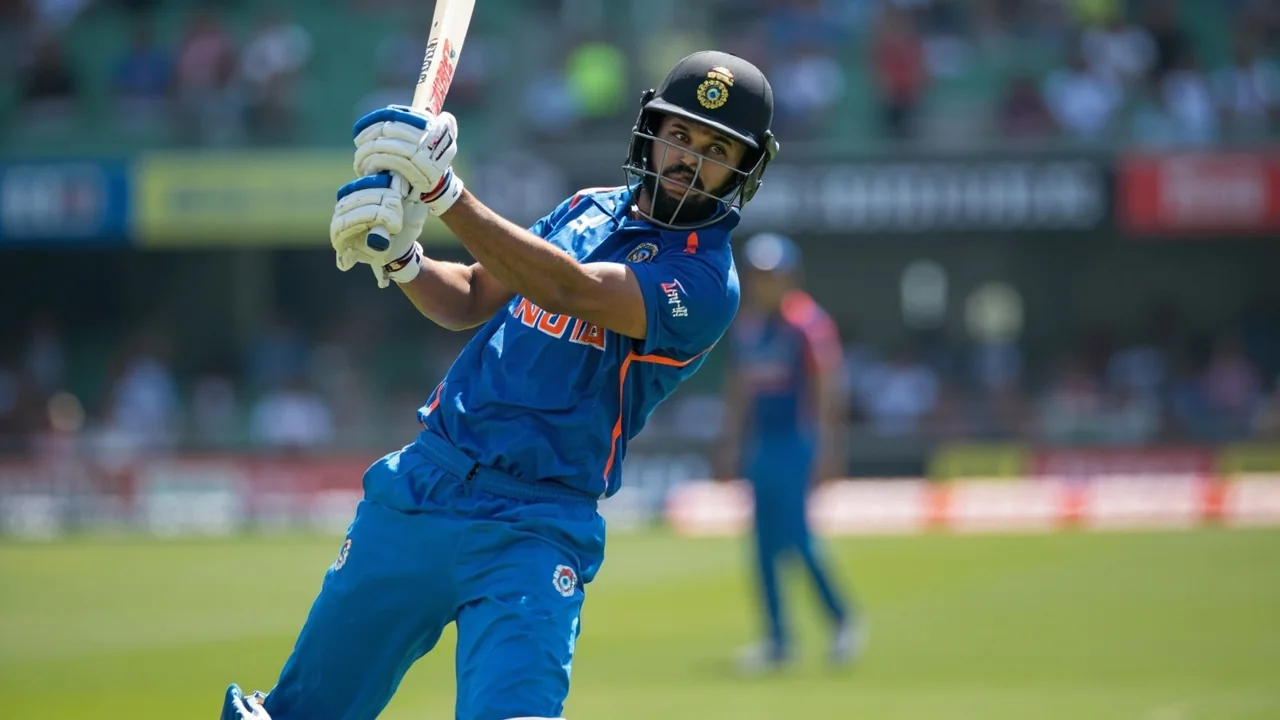
The record at Harare
Vaibhav Sooryavanshi registered a 50-plus score in the third T20I between India and Zimbabwe at Harare Sports Club on 26 July 2026. At fifteen years old, the innings took him to two 50-plus scores in men's international cricket before turning sixteen — a line no male batter had crossed before him.
The list of male international 50-plus scores before the age of sixteen had only one previous entry. Nepal's Kushal Malla had reached a half-century in men's T20 internationals at fifteen, and his name sat alone on the record. With Sunday's knock, Sooryavanshi moved to two and went past Malla on a count that had not seen a new entrant for years.
In one sentence the record book looks like this: Vaibhav Sooryavanshi (India) 2; Kushal Malla (Nepal) 1; everyone else 0. There is no other name on the under-sixteen ledger, in T20Is or in ODIs. The T20I is the format in which both milestones were scored, and the format is where the record will live until either of them turns sixteen or a third name appears — a reminder that this remains an extreme edge of men's international cricket rather than a regularly populated tier.
Where the line used to sit: Malla's single entry
Before Sooryavanshi's Sunday innings, the question of which male international cricketers had scored a fifty before turning sixteen had a tight, almost awkward answer. The only name was Kushal Malla, who reached fifty in a men's T20I for Nepal in his mid-teens and stayed there alone for years. The line was a single entry, not a populated list, which says more about how unusual it is than about Malla's standing.
Malla's milestone is the kind of fact that circulates at the edge of cricket trivia and rarely in match reports. He has continued to play senior cricket for Nepal in the years since, and his name no longer depends on a single junior-age knock. What changes on Sunday is that his solitary entry stops being the only entry. The list goes from one name to two names.
For a desk that follows associate and full-member cricket in parallel, the practical reading is small. Malla did not lose anything; the under-sixteen bar simply gained a second name beside his. The change matters for record books, for age-record primers, and for selectors who track teenage form around the world. It does not change Malla's career, his form, or his reputation — only the company he sits in on this one specific ledger.
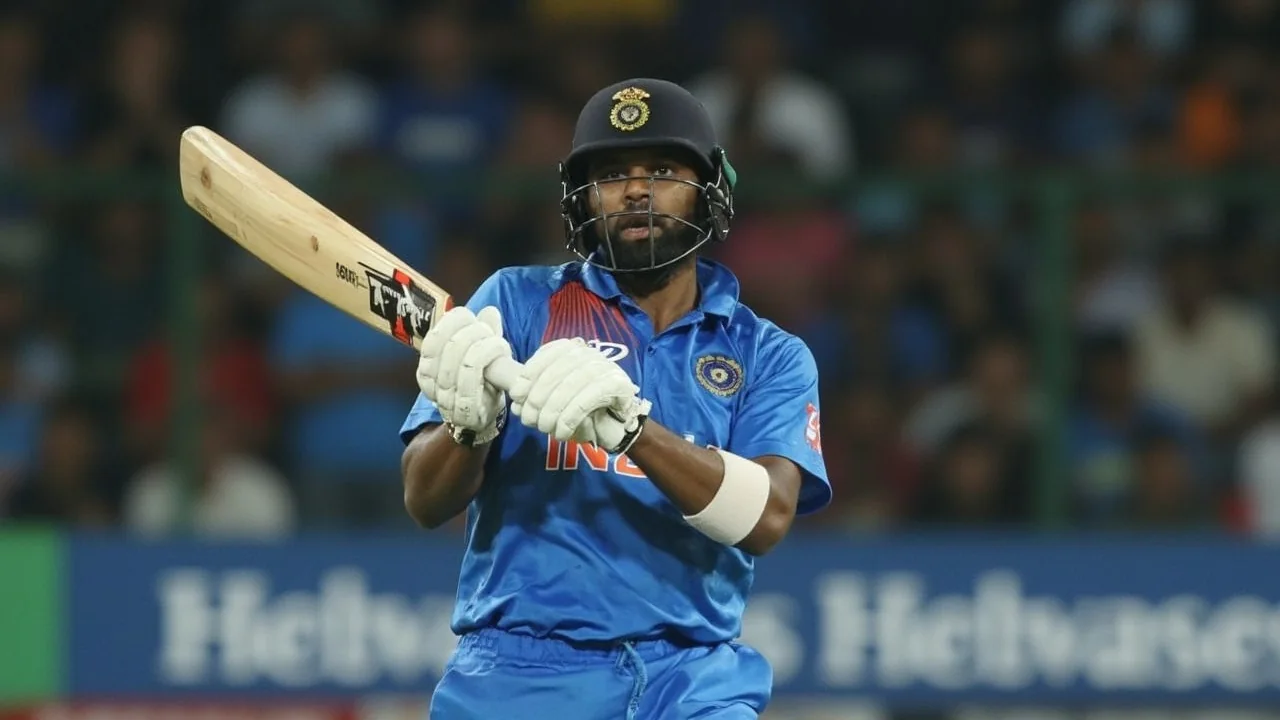
The decider as it unfolded
India won the toss in the series decider at Harare and chose to bat first. The decision put the chase-setting burden on India, and the powerplay began with the kind of setback a batting side does not want at the top of an innings: Abhishek Sharma was dismissed early by Blessing Muzarabani. From the second over onward, the innings had to be built around the new batter at the other end.
Sooryavanshi's reply to the early wicket was to stay in. A teenage opener walking in at three or four in a powerplay that has already lost a wicket has a different decision to make than one walking out at the start of the innings. The choice of pace, length and risk in those first six overs sets the tone for what kind of fifty, if any, becomes possible later. Sooryavanshi's choice in this innings was to limit early risks and find partnership cricket rather than look for fireworks.
The fifty arrived in the second half of the innings, not at the end of it. The verified detail from the match is that Sooryavanshi added a 75-run partnership with Ishan Kishan during the chase-setting innings — the kind of stand that lets a young batter convert a start into a score without needing to bat through to the last over. How the rest of the card was constructed, who was dismissed after the Kishan stand, and the eventual total of the India innings sit outside the verified facts of the brief and are not invented here.
The Kishan stand and the powerplay shape
The 75-run stand between Sooryavanshi and Ishan Kishan is the partnership that framed the innings. Kishan's role in the middle order for India has typically been accumulation rather than acceleration, and a 75-run partnership with a fifteen-year-old opener is built through strike rotation and selective boundary options rather than six-hitting pressure. Reading the partnership back is the cleanest way to put a shape around what Sooryavanshi's fifty looked like.
Powerplay scoring in a chase-setting T20I innings is decided before the first boundary of the second half arrives. India's powerplay on Sunday included the early Abhishek Sharma wicket and a rebuild around Sooryavanshi. The recovery from that wicket, combined with the depth of the middle order behind him, gave the fifteen-year-old the licence to play innings-by-innings rather than ball-by-ball. The fifty that follows such a powerplay looks different from one that comes off a fast start; it tends to carry a higher dot-ball percentage and a tighter strike rate, and it tends to leave the batter at the crease when a second collapse threatens.
None of this is a tactical recommendation for future series. It is a way of marking what was different about this particular innings against the type of fifty a senior opener would have scored in similar conditions. The partnership with Kishan is what made the milestone possible without the innings blowing up around him.
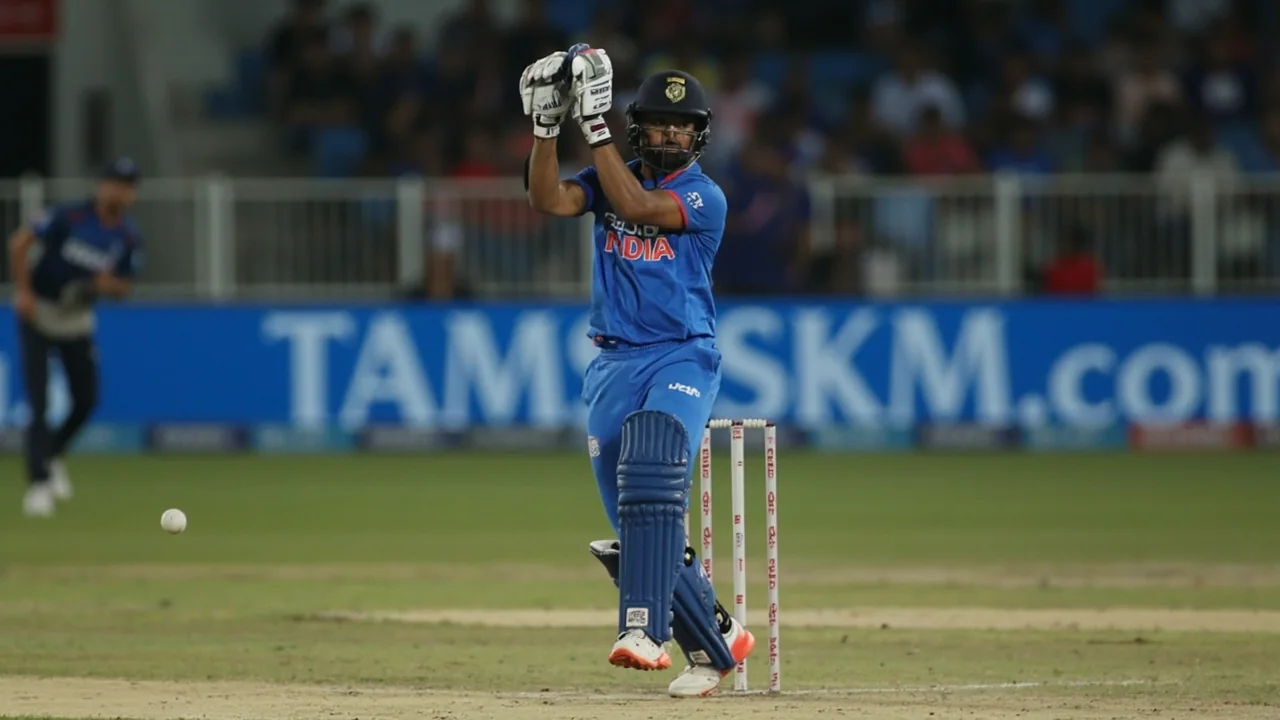
What the milestone does — and does not — change
Three short readings follow directly from the verified record without reaching for speculation.
An under-sixteen list now has two names instead of one. Kushal Malla remains on the list. Vaibhav Sooryavanshi joins him at the top of that count. Any future innings before his sixteenth birthday can extend his personal lead; any innings after that date moves him out of the list entirely, regardless of how many more fifties he scores.
The format matters. Both Sooryavanshi's milestone and Malla's earlier one came in T20Is. The record is a T20I ledger rather than an across-formats aggregate. Reading it as a general men's-international-cricket record is true at the level of the count, but it understates how the same-aged batters perform in fifty-over and multi-day cricket, where different demands apply.
The series result is separate. This piece does not claim the result of the third T20I. The hundred-plus runs for India, the bowling figures of the Zimbabwe attack, and which side won the series were not part of the verified facts and are not invented here. The milestone belongs to Sooryavanshi; the series belongs to the two boards, and the desk leaves that result to the official scorecard.
Any next-change-of-note will not be a third name on this list. Sooryavanshi turns sixteen only in 2027, and between now and then he will either extend his number or, if his form holds, hand the record off cleanly to whoever turns up next. Until then, the under-sixteen T20I fifty list remains a two-name ledger.
Match reporting, squad notes and ranking follow-ups from the same desk continue at the cricket news desk as each verified piece lands.
FAQs
What did Vaibhav Sooryavanshi do on 26 July 2026?
He scored a 50-plus score for India in the third T20I against Zimbabwe at Harare Sports Club, taking his tally of 50-plus scores in men's international cricket before the age of sixteen to two.
Who held the previous record?
Nepal's Kushal Malla was the only male cricketer to have scored a 50-plus score in men's international cricket before turning sixteen, with one entry on the list.
Which format did both milestones come in?
Both Sooryavanshi's 50-plus scores came in T20 internationals. Malla's previous entry was also in T20I cricket.
Where was the match played?
The third India–Zimbabwe T20I was played at Harare Sports Club in Harare, on 26 July 2026.
How did the innings start for India?
India won the toss and batted first. Abhishek Sharma was dismissed early by Blessing Muzarabani in the powerplay.
Which partnership was the build around for Sooryavanshi?
Sooryavanshi added a 75-run partnership with Ishan Kishan during the chase-setting innings.
What was this match in the series?
The third T20I between India and Zimbabwe was the series decider for the 2026 India tour.
Does this change any other records?
The milestone changes only the under-sixteen male-international 50-plus count, which moves from Malla's single entry to a two-name ledger of Malla and Sooryavanshi. Series results, ranking points and head-to-head ledgers are not part of the brief here.