Riyan Parag's RR reality check after DC defeat: Why top-four hopes slipped
On 18 May 2026, Rajasthan Royals turned a commanding start into a five-wicket defeat by Delhi Capitals in Delhi. Riyan Parag's post-match assessment was unusually direct: a team performing at that level did not deserve to call itself a top-four side.
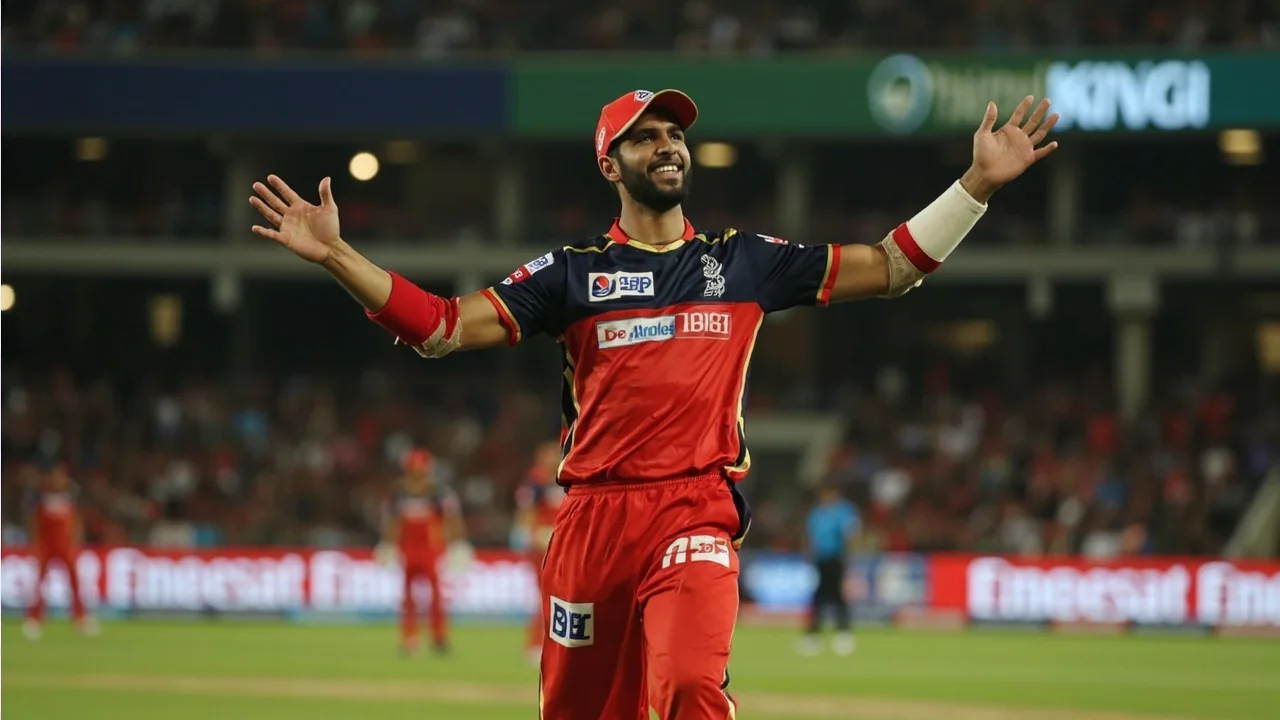
Rajasthan Royals' defeat by Delhi Capitals on 18 May was not a match that needed a complicated explanation. The Royals had the innings in their hands at 160 for 2 after 14 overs, a position that pointed towards a total in the 220-230 range. They finished on 193 for 8 instead. Delhi reached the target of 194 in 19.2 overs and won by five wickets at the Arun Jaitley Stadium.
The result mattered because the failure was concentrated in a short, visible stretch. It was not a case of RR being outplayed from the first over. Their own captain, Riyan Parag, scored 51 and then described what happened after his dismissal as the point when the side failed to turn control into a defendable score. His comments made the match worth revisiting beyond the result itself.
A 160-for-2 position became 193 for 8
At 160 for 2 after 14 overs, Rajasthan had the kind of platform that changes the demands on the last six overs. The batting group did not need to manufacture a recovery; it needed to protect the advantage already built. Parag's estimate of 220-230 gives the clearest measure of the gap between what RR expected and what they delivered.
Mitchell Starc's four-wicket burst drove the change. The wickets did more than remove batters from the scorecard: they interrupted the sequence of partnerships that would have allowed RR to keep attacking. Boundaries became harder to find, wickets arrived in clusters, and the innings ended at 193 for 8 after twenty overs. A score that had appeared to be a launchpad became a chaseable total.
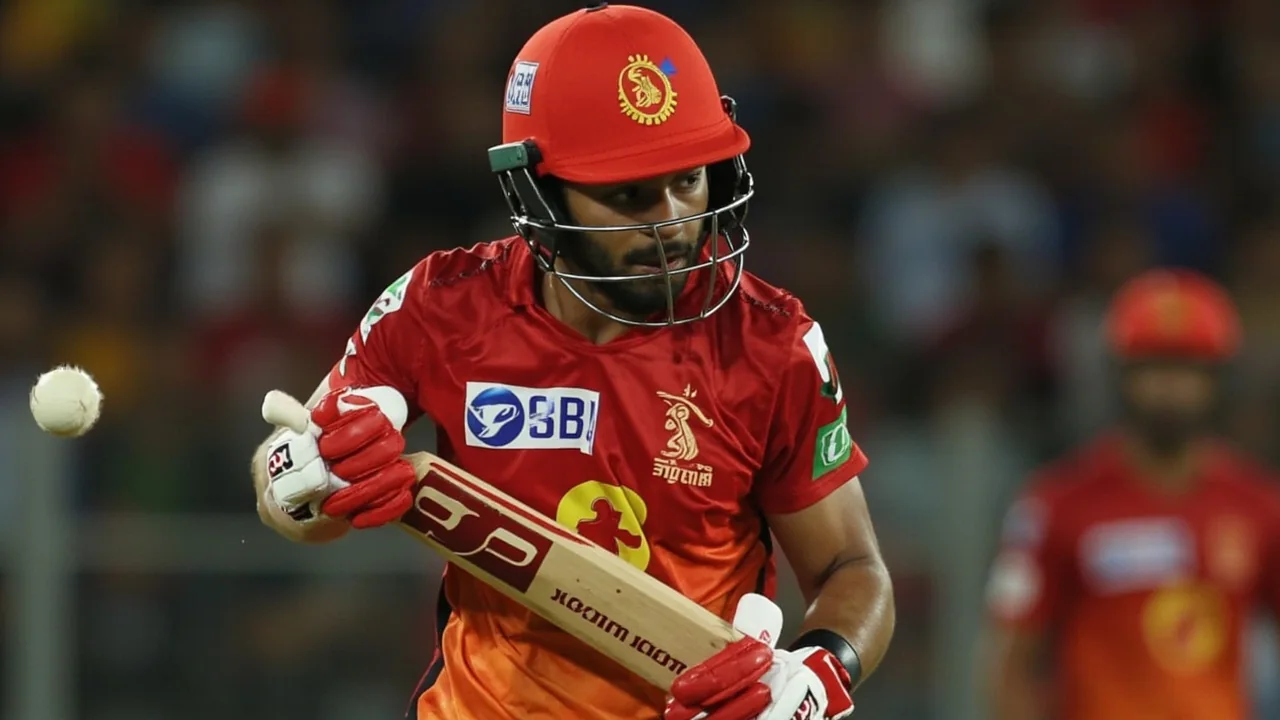
The distinction is important. A total of 193 is not automatically a poor score in a T20 match, but the same number reads differently when it follows 160 for 2 in the 14th over. RR lost the value of their start. The late innings therefore became the central match story, not a footnote to Delhi's successful chase.
Why Parag put the responsibility on his own side
Parag's criticism was aimed at execution rather than circumstance. He said the overall performance was “very poor” and argued that a side wanting to win a trophy had to be better than what RR showed that day. He also said the team had played below its level over the previous four or five matches, pointing to energy, skill and execution rather than one isolated mistake.
That self-assessment carried more weight because it followed a defeat in which RR had held the stronger position. Parag did not present the five-wicket loss as something Delhi simply took away from them. His explanation was that Rajasthan had been given an opportunity and failed to use it. In his words, if the team did not qualify, it would be its own fault and no one else's.
There is a clear difference between accepting blame and offering a slogan. Parag tied the conclusion to specific evidence: the lost overs after his wicket, the fall from 160 for 2 to 193 for 8, and the fielding and execution standards he felt had slipped. That made his “we shouldn't be in contention for the top 4” line a description of the team's current level, not a claim that the season had mathematically ended.
Delhi's chase removed the margin for error
Delhi Capitals did not need an extraordinary finish to overtake Rajasthan. KL Rahul made 56, Abishek Porel scored 51, and Axar Patel remained unbeaten on 34. Ashutosh Sharma also contributed as Delhi passed 193 in 19.2 overs. The chase was completed with four balls to spare and five wickets in hand.
Those numbers show why the lost runs at the end of RR's innings mattered. Delhi's top order built enough of a base that Axar and the lower middle order were not forced into a desperate final-over equation. The chase was controlled, and the five-wicket margin reflected that control more than a last-ball escape.
The Ferreira decision was defended, not disguised
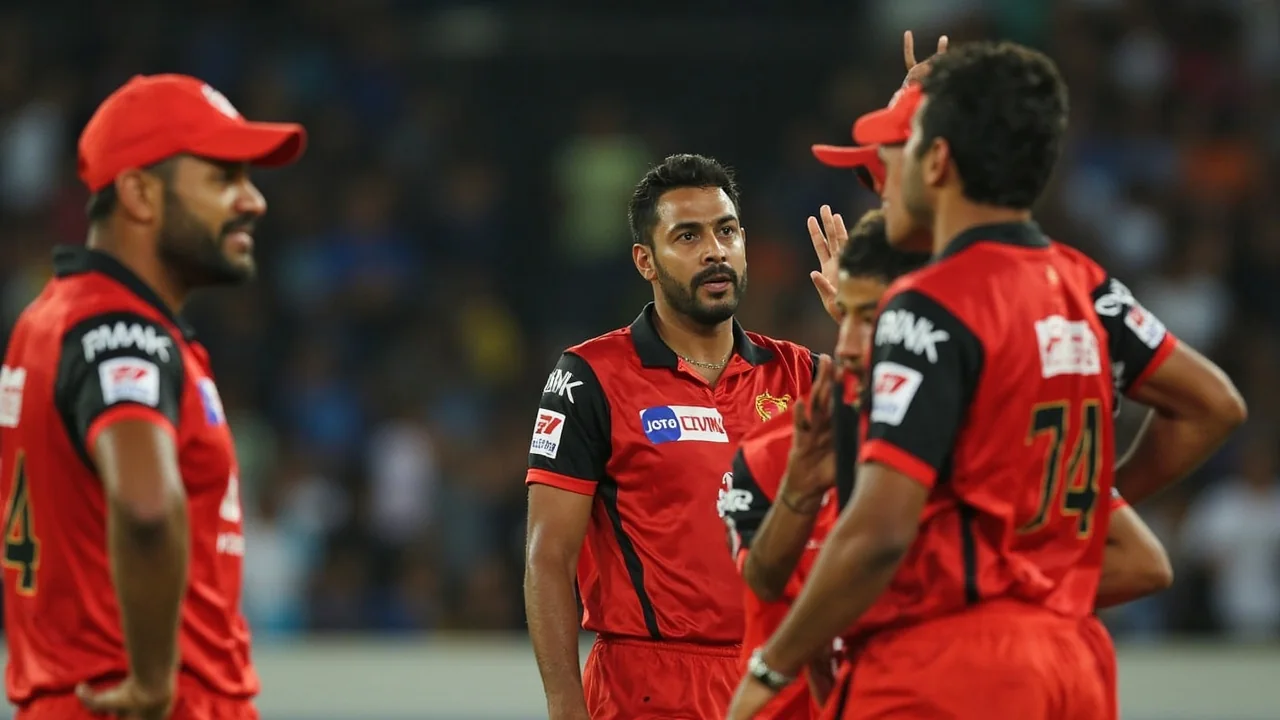
One of the questions around Rajasthan's bowling was the decision to use Donovan Ferreira in the middle overs against two left-handed batters instead of giving Shanaka another over. Parag rejected the idea that the move was a reckless gamble. He said the matchup informed the call and that he preferred taking that chance to continuing with Shanaka, while acknowledging plainly that it did not work.
That explanation reveals how captains have to balance a tactical plan against the result it produces. The matchup logic can be understood even when the outcome is negative. Parag's defence did not claim the choice had succeeded; it separated the intention from the execution, then accepted that the decision had not delivered in this match.
For Rajasthan, that nuance matters less than the wider performance. One over did not create the deficit by itself. The score had already slipped from a possible 220-230 to 193, and the fielding standards that Parag criticised added to the sense that several small failures had accumulated. The Ferreira call became a visible example of a difficult evening, not a complete explanation for it.
The fielding complaint widened the diagnosis
Parag also singled out Rajasthan's fielding, calling the standard very poor. That matters because fielding sits outside the debate over whether 193 was enough. A batting collapse can be traced through dismissals and a bowling matchup can be debated after the fact, but lapses in the field speak to the energy and execution he said had been missing for several games.
His criticism therefore covered all three phases of the performance. Rajasthan did not maximise a strong batting platform, did not make the middle-overs plan pay during the chase, and did not support the bowlers with the standard of fielding their captain expected. The five-wicket margin was the outcome of that combined shortfall.
What the defeat said about Rajasthan's top-four claim
The top-four question in this retrospective is not about a new prediction. It is about the standard Parag set for his own side on 18 May. A team can remain in contention while still playing below the level required to qualify. His point was that the table position alone could not make RR look like a top-four team if their recent cricket continued in the same direction.
That is why the match remains useful as a record of a season under pressure. Rajasthan showed enough in the first fourteen overs to build a winning position. They did not sustain it with the bat, did not make the chase uncomfortable, and left their captain discussing a run of under-performance rather than a single unlucky passage. The evidence supports a simple reading: the Royals' ceiling was visible, but their floor had become too low.
The most specific legacy of the Delhi defeat was therefore Parag's standard of accountability. He connected the result to the team's own choices and energy, defended a tactical call without pretending it worked, and refused to blame qualification on other results. For readers revisiting IPL 2026, that combination is the lasting detail: Rajasthan did not lose because the match was beyond them. They lost a match they had placed themselves in position to win.
For the next match-by-match reading of IPL results and their decisive moments, follow the match reports from the cricket desk.
FAQs
When was the Rajasthan Royals versus Delhi Capitals match played?
The IPL 2026 league match was played on 18 May 2026 at the Arun Jaitley Stadium in Delhi.
What was the final result?
Delhi Capitals chased 194 in 19.2 overs and beat Rajasthan Royals by five wickets.
Why did Riyan Parag criticise Rajasthan?
He said RR had lost control after reaching 160 for 2 in 14 overs, finished on 193 for 8, and had been below their own standard across the previous four or five matches.
How many runs did Riyan Parag score?
Parag scored 51 for Rajasthan before his dismissal.
What did Parag say about Donovan Ferreira?
He said using Ferreira against two left-handers was a tactical choice rather than a gamble, while accepting that the move did not work.
Who led Delhi's chase?
KL Rahul made 56, Abishek Porel 51 and Axar Patel 34 not out. Ashutosh Sharma also contributed to the five-wicket win.
What was Rajasthan's score after 14 overs?
Rajasthan were 160 for 2 after 14 overs before the late-innings collapse left them on 193 for 8.
What did Parag say about top-four contention?
He said Rajasthan should not be in contention for the top four if they continued playing at that level, and accepted responsibility if they failed to qualify.