Irfan Pathan backs Rajat Patidar for an India T20I call-up after back-to-back IPL titles
Writing on 4 July 2026, Irfan Pathan asked the India selectors to give Rajat Patidar a chance in the shortest format, with the Royal Challengers Bengaluru captain having just lifted a second IPL trophy and struck at close to a run a ball across the 2026 season.
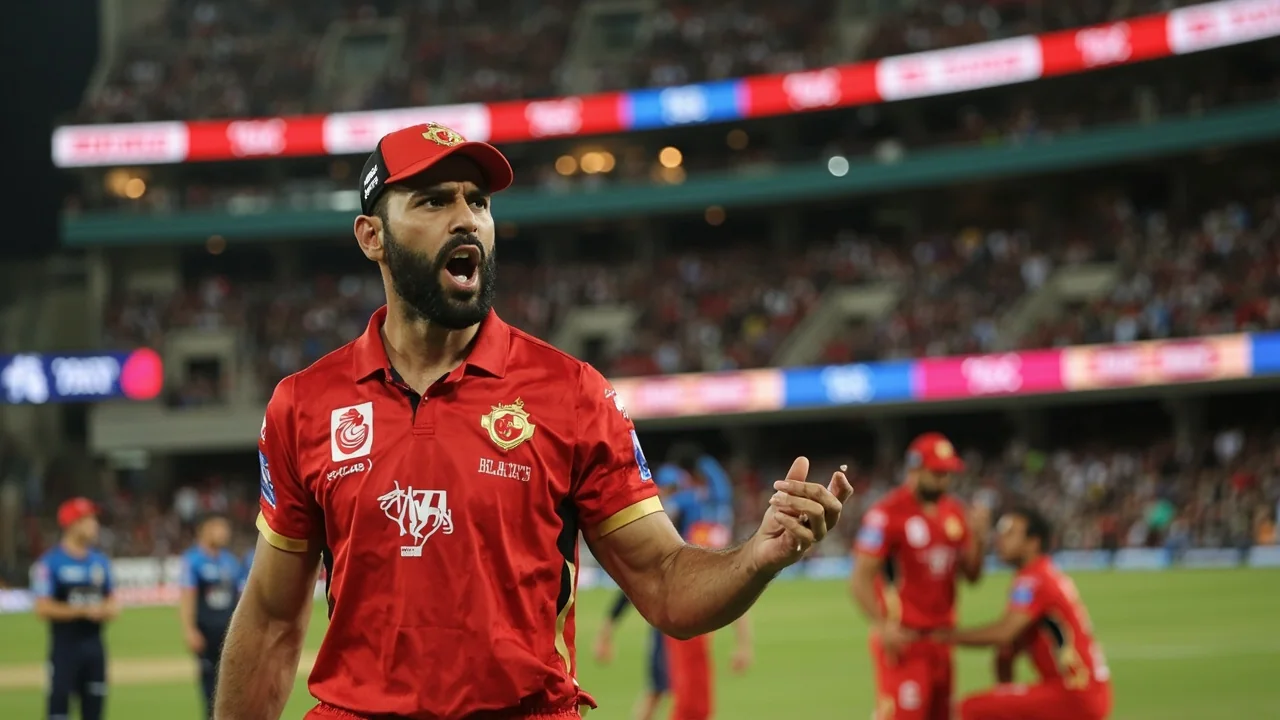
The case Pathan laid out
On 4 July 2026, Irfan Pathan published a column arguing that the Indian selectors should consider Rajat Patidar for a Twenty20 international cap. The timing was deliberate. Patidar had just captained Royal Challengers Bengaluru to a second consecutive IPL title, finishing a season in which his strike rate hovered close to 200. Pathan did not lean on captaincy or silverware alone. His central point was balance.
He read India's current T20I batting order as left-hand heavy — Abhishek Sharma, Vaibhav Sooryavanshi, Tilak Varma and Ishan Kishan all bat left-handed at the top — and framed Patidar's right-handedness as a structural answer rather than a luxury. A right-hander coming in at number three or four breaks the match-up load that opposition captains can otherwise build against a stack of left-handers, particularly against the turning ball and against the angle of left-arm pace.
The second strand of his case was timing. Patidar's last India cap had come almost two and a half years earlier, in early 2024, when he played three Tests against England and was dropped without a white-ball cap of any kind in between. Pathan's argument was that the squad structure of mid-2026 left room to experiment — a point he tied to the World Cup cycle rather than to a single upcoming tour.
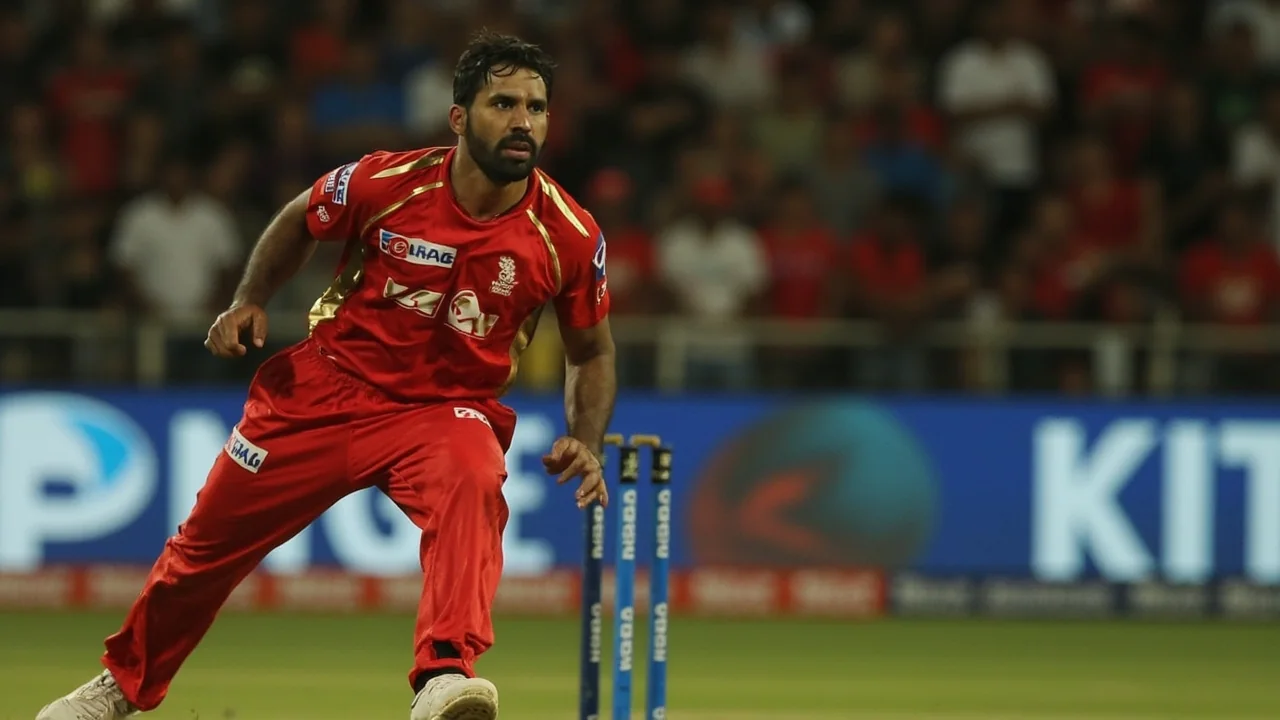
A captain who delivered the trophy twice
Patidar's case does not rest on a single season. Royal Challengers Bengaluru won the IPL in 2025 and again in 2026, with Patidar as captain in both campaigns. The 2024 squad had reached the playoffs and lost; the 2025 edition turned that into a trophy; the 2026 edition did it again. Two titles in a row for a franchise that had spent more than a decade as the league's most-starred also-ran reframes any debate about the leadership group around him.
The IPL captaincy record is unusual in one specific way. It is a playing role under extreme pressure — every match-day decision lands in front of a full house and a stadium broadcast — and Patidar held his nerve across two knockout campaigns. The second final, on 3 July 2026, was the more stressful of the two: RCB had to defend a par total on a slowing surface, and the captaincy calls in the death overs were described in the post-match coverage as measured rather than reactive. That record sits separately from his personal batting numbers, and it is the part of the case that selectors usually weigh when a player has not worn the national shirt in two and a half years.
It is also worth marking what captaincy in the IPL does not do. It does not by itself guarantee a national recall. Several IPL captains over the last decade have finished a trophy-winning campaign and gone straight back into the squad bubble rather than the playing XI. The honest reading of Pathan's column is that the captaincy was the qualifier that brought Patidar back into the conversation, not the reason he had to be picked.
The left-right balance in the India top order
The narrowest part of Pathan's argument is also the most measurable. He named four left-handed batters — Abhishek Sharma, Vaibhav Sooryavanshi, Tilak Varma and Ishan Kishan — as the kind of names that have populated India's top order in the format over the last 18 months. A fifth, Suryakumar Yadav, bats right-handed but is often used at number four or five and not at the top of the powerplay.
The match-up logic works on three concrete points. First, left-arm spin comes from a different release angle to right-arm spin and forces a different field; a right-hander at three or four prevents captains from simply loading the powerplay with a left-arm spinner and two leg-side fielders. Second, left-arm pace — Axar Patel being the obvious reference — gets the ball to move away from a left-hander and into a right-hander, which means a right-hander at three neutralises the early Powerplay angle. Third, in the middle overs, off-spin from a right-arm spinner is the format's most-used wicket-taking ball type; rotating a right-hander into the three slot ensures that an off-spinner cannot settle into a four-over spell against a same-side cluster.
None of this is unique to Patidar. Hardik Pandya is right-handed; Shreyas Iyer is right-handed; Sanju Samson bats right-handed. What is different about Patidar in mid-2026 is the captaincy credential and the IPL 2026 form. The selectors can pick any right-hander; the question Pathan asked is whether the captain who just won back-to-back titles should at least be in the room when the next T20I squad is picked.
What the white-ball squads since the last India cap actually say
Patidar's last India cap was a Test cap, in early 2024. The white-ball squads announced since then — for the Ireland T20Is, for the England series, and for the Asian Games squad mentioned in Pathan's piece — have not included his name. That is the kind of absence that reads as a settled view when it lasts for a series or two, but the selectors' bench for T20I middle order has shifted every window since.
The clearest reading is that the position Patidar would contest — number three or four in the T20I side — has not been owned by a single player. Abhishek Sharma has opened. Tilak Varma has batted at three and four. Ishan Kishan has come in at three when he has been picked. There is no settled incumbent at the slot Patidar would take, and that is the part of the case that a selector cannot dismiss on continuity grounds.
Pathan's column did not name a specific slot. He did not name a specific tour. The point he made was looser — that the combination of captaincy credentials, a strike rate close to 200 in IPL 2026, and a right-handed match-up that the current top order does not naturally supply, made the case worth raising before the World Cup cycle closed the door on experimentation.
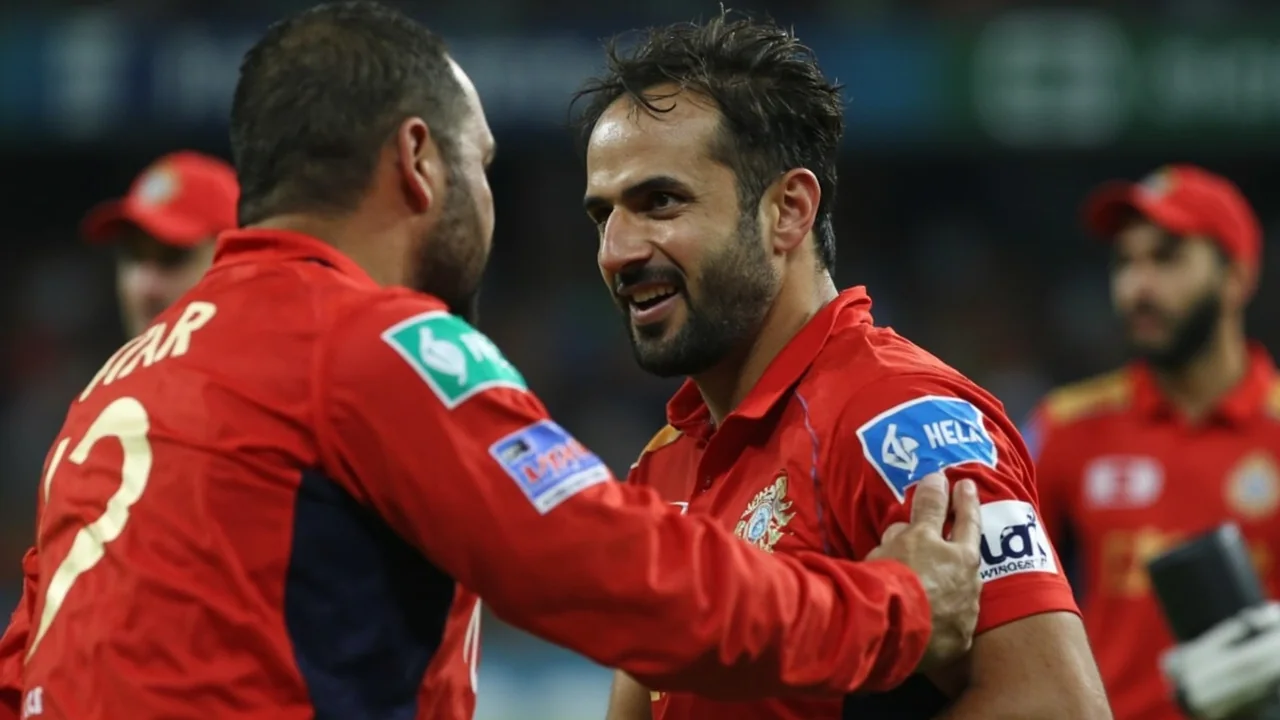
The 2024 Test chapter that ended the previous India stint
Patidar's previous India chapter was brief and unsentimental. He was picked for the India Test side for the home series against England in early 2024, played three Tests, and was left out of the next squad. The brief Test run did not produce a hundred, and the middle-order slots in that series were crowded enough that a quiet debut series quickly became an exit. He went back to domestic and IPL cricket, was appointed RCB captain ahead of the 2025 season, and has not been picked for India in any format since.
That two-and-a-half-year gap is the practical obstacle. It is the kind of gap that a selector tends to honour unless there is a structural reason to break it — a slot that nobody else owns, a format that the player owns more cleanly than his rivals, or a captaincy credential that changes the conversation. The IPL 2025 and 2026 trophies provide the captaincy credential; the strike rate provides the format ownership; the left-right balance provides the structural reason. Pathan's column is, in effect, a case that all three should be enough to at least put Patidar back in the squad room.
The window before the 2028 World Cup
Pathan closed his column by tying the case to the World Cup cycle rather than to a specific bilateral series. The next senior men's T20 World Cup is in 2028. Between July 2026 and the squad announcement for that tournament there are roughly twenty-four months of T20I cricket across tours, ICC events and the Asia Cup window. That is enough time to give a player four or five India caps if the selectors choose to use the window, and enough time to drop the experiment quietly if the format does not work.
The honest reading of the column is that Pathan was asking the selectors to use the window. The selection committee does not have to commit Patidar to the 2028 squad; it only has to commit him to the next T20I selection conversation. That is a smaller ask than a guaranteed spot and a bigger ask than a vague "we'll keep an eye on him". Whether the selectors agree, and what series they choose to use for the experiment, is the next verifiable thing to watch.
Patidar's two IPL titles as captain make the conversation different from the one the same desk would have had about him in 2024 or 2025. The question is no longer whether he can handle pressure in a knock-out. The question is whether the selectors decide to use the runway that the 2028 cycle has handed them, or whether they prefer to leave the right-handed slot at number three or four to be filled by someone who has already worn the India shirt in this format.
Selection pieces, retrospective reads and squad-notes coverage continue at the IPL 2026 season coverage desk as the World Cup cycle develops.
FAQs
What did Irfan Pathan argue on 4 July 2026?
He urged the Indian selectors to give Rajat Patidar a T20I opportunity, citing Patidar's back-to-back IPL titles as Royal Challengers Bengaluru captain, his 2026 strike rate close to 200, and the left-right balance of the current India top order.
Who are the left-handed batters Pathan named in India's top order?
He named Abhishek Sharma, Vaibhav Sooryavanshi, Tilak Varma and Ishan Kishan as the left-handed batters that have populated the top of the India T20I order in recent windows.
How many IPL titles has Patidar won as captain?
Patidar captained Royal Challengers Bengaluru to the IPL title in 2025 and again in 2026, two trophies in a row.
When did Patidar last play for India?
Patidar's last India appearance was in the Test series against England in early 2024, after which he was not retained in any format.
Why did Pathan link the case to the 2028 World Cup?
He argued that India still had time to experiment in the T20I format before the next senior men's T20 World Cup in 2028, and that the runway between mid-2026 and the squad announcement was wide enough to give Patidar four or five caps if the selectors wanted to use it.
Was Patidar picked for the India squads named in the column?
Pathan's piece referenced the Ireland, England and Asian Games squads, none of which included Patidar.
What slot would Patidar contest in the India T20I order?
The most natural slot is number three or four, a position the Indian top order has not settled on a single occupant for since the last World Cup cycle.
Does the column guarantee a national recall?
No. Pathan's argument was that the case should at least be put to the selectors, not that Patidar should be picked on the next tour regardless of squad balance.