England vs India, third ODI at Lord's: Brook's side take the series 2-1 in a 27-run run-fest
Both sides cleared 300 on a flat, batting-friendly surface in the series decider. England held their nerve with the ball at the back end, India did not — and a series that has implications for the rest of the international summer finished with the hosts 2-1 up.
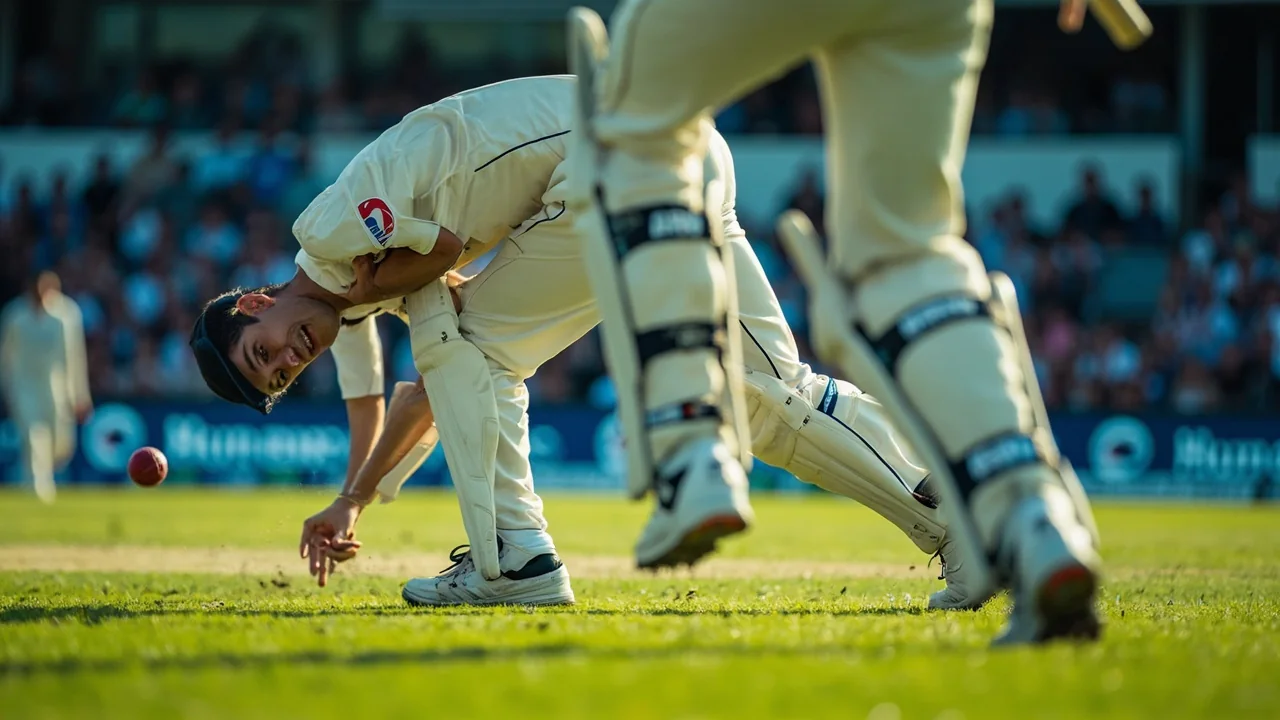
The story
The series went the distance, and the decider at Lord's delivered the kind of contest the three-match rubber had been threatening from ball one. England posted a total that looked light at the halfway mark and then defended it with the kind of disciplined death bowling that Harry Brook's white-ball side has quietly been building over the last eighteen months. India, chasing under the Lord's floodlights, kept up with the rate through the middle overs but lost wickets in clusters at the back end, finishing 27 runs short.
The margin flattered neither side's quality nor obscured either side's concerns. England's batting has been the talking point of the summer — in the right way this time. India's chase lost shape once the second new ball was taken, and the question for the think-tank is whether the death-bowling depth is really where it needs to be heading into a winter that includes white-ball cricket against two full-strength opponents.
What this series will be remembered for, before the dust settles on the Pakistan Test series, is the depth of run-scoring at both ends. Three ODIs, three totals over 280, two clear days of flat-deck batting, and a decider that went past the 300 mark on both sides. The 50-over format — written off by some after the Champions Trophy cycle — has had the kind of rebuttal it could not have scripted better.
How the series got to 2-1
India took Edgbaston. England hit back in Cardiff with a four-wicket win that Joe Root shepherded from one end with the kind of innings that older England fans will have watched through their fingers. Lord's, as the decider, was always going to be about temperament as much as skill.
The pattern across the three games was consistent: the team batting first crossed 280, the chasing side had to keep up. India chased successfully at Edgbaston; England did so at Cardiff; at Lord's, neither side was chasing by the time the ball got soft. It became, instead, a question of who could keep wickets in hand at the 40-over mark. England could. India could not.
- Edgbaston (1st ODI) — India won by six wickets. Chasing a competitive England total, the Indian top four did the job without needing the middle order to fire.
- Cardiff (2nd ODI) — England levelled by four wickets. Root's innings at three took the chase deep and gave the lower order something to work with.
- Lord's (3rd ODI) — England closed the series by 27 runs. Both sides cleared 300, both sides batted to the 49th over, and England's seamers at the death were the difference.
What stood out at Lord's
Three things will be on the whiteboard in both dressing rooms before the next international engagement.
First, the Lord's pitch was a batting track and both teams accepted the invitation. There was no sideways movement of any consequence for the new ball, the square boundaries took some of the pace off the pull shot, and captains were happy to bowl first in the knowledge that 280-plus was always going to be chaseable under lights. When both teams pass 300 in the same ODI at Lord's, the conversation moves away from conditions and towards execution. England executed. India didn't, at the back end.
Second, the death bowling told you everything. England's last five overs were tight by modern ODI standards — under eight an over, wickets at the right times, no boundaries off free hits. India's last five overs were the opposite: full tosses dragged down leg, half-volleys outside off, and the kind of boundary balls that cost the chase a chance of getting to the 49th over with wickets intact. The pre-series question of who had the deeper bowling attack now has an answer in this format.
Third, the fielding was ordinary. Both sides dropped regulation catches at crucial moments, and both sides overran direct hits in the inner ring by enough to cost themselves a run or two. Lord's is a small ground. Overthrows are expensive. The standards will tighten once Test cricket starts on August 19, but on Monday they were short of where this level of international cricket expects.
Fantasy cricket read-across
Most readers who follow this desk care about the IPL, the WPL and the South African-SA20 window. The ODI series in England matters in three concrete ways for the rest of the international summer and the franchise calendar that follows it.
Workload signals. Players who bowled their full ten overs at the back end of an ODI at Lord's — particularly the seamers who came back for a fifth spell in the 46th over — are not going to be rushed into the nets for the Pakistan Tests. Expect the England management to be conservative about how quickly they pick their white-ball seamers for the Test series. That has knock-on effects for fantasy picks in the early rounds of the Test cycle.
Role confirmations. The players who batted at three and four in this series have now played enough ODI cricket in those slots that the IPL franchises picking in the mega-auction cycle can price them accordingly. Root's role at three is settled. Brook's role at four is settled. India's middle order is still in flux — and that flux will be visible in the IPL retention list whenever it lands.
Form signals. A flat deck at Lord's is the kind of surface that rewards timing over power, so any batsman who managed his innings rather than swinging from ball one is the one whose form travels. Fantasy players looking at the Pakistan Test series should weigh the Lord's run-makers more heavily than the net-session highlight reels from the last week. Test cricket rewards the same players who can pace an ODI innings.
What comes next
England play Pakistan in a three-Test series starting on 19 August at home. That series is the headline act of the rest of the English summer. For India, the white-ball tour moves on, and the next big international fixture window for this group will be the home season later in the year.
For readers of this desk, the meaningful crossover points over the next four weeks are: the England-Pakistan Test selection meetings (the workload-managed players from the ODI series will be the names to watch), the IPL retention lists that typically drop in the week after an India tour ends, and the early-season domestic white-ball competitions that will start to fill out the India-A selection picture for the winter.
For everything else happening on the cricket calendar this week, the news desk will keep updating as the picture changes — match reports land within the hour, transfer news goes up the same day it breaks, and tactical reads run when the data has settled.
FAQs
Who won the third ODI between England and India at Lord's?
England won by 27 runs at Lord's on Monday 20 July 2026, taking the three-match series 2-1.
What was the score in the Lord's ODI?
Both teams passed 300 batting first and chasing respectively. England held their nerve with the ball at the back end; India were bowled out (or restricted) 27 runs short in the chase.
How did each team get to the decider?
India took the first ODI at Edgbaston by six wickets. England levelled the series at Cardiff by four wickets, with Joe Root shepherding the chase. The Lord's decider was the series winner.
Does this ODI series affect IPL retention or auction decisions?
Indirectly, yes. Players who confirmed ODI roles at three, four or with the new ball have clearer auction pricing. England's white-ball seamers are also likely to be workload-managed for the Pakistan Tests, which affects early-season fantasy cricket picks.
When does the England vs Pakistan Test series start?
The three-match home series against Pakistan starts on 19 August 2026.